
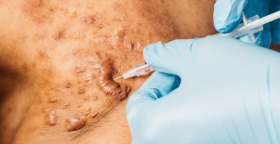
KELOIDS (HYPERTROPHIC SCARS )
user2026-04-15T11:21:58+05:30

A scar is a result of the body naturally healing or replacing damaged skin. It usually consists of fibrous tissue, therefore the composition may differ in appearance. Scars may appear flat, lumpy, sunken, lightly, or darkly pigmented.
Raised lumpy scars are known as keloid or hypertrophic scars. These scars are a result of excess repair tissue being formed and getting deposited in the process of wound healing.
In hypertrophic scars, the excess tissue is deposited within the original injury, and in keloids, the tissue extends beyond the original injury. Both types of scars are itchy. Hypertrophic may occur in any part of the body, but keloids generally occur on darker-skinned persons and are common on the upper body, mostly, the chest, earlobes, shoulders, and upper back.
Though hypertrophic scars tend to regress over time, the keloid may continue to grow unless treated.
At Christell we offer customized treatment plans depending on the degree of the scar. Treatment may include topical creams, steroid injections, laser treatment, and Botox.
BEFORE CARE:
1–2 Weeks Before
- Avoid tanning or sunburn in the treatment area.
- Do not have other invasive skin treatments (laser, microneedling, chemical peels) in the area to reduce irritation risk.
- Avoid alcohol and excessive caffeine on the day of treatment.
Inform your provider if you:
- Are pregnant or breastfeeding
- Have skin infections or open wounds in the area
- Have a history of skin thinning or delayed wound healing
- Are on blood thinners, steroids, or immunosuppressive drugs
AFTER CARE
First 24–48 Hours
- Mild redness, swelling, or tenderness at the injection site is normal.
- Apply a cool compress (10 minutes at a time) to reduce swelling and discomfort.
- Avoid rubbing, scratching, or massaging the area.
- Keep the area clean and dry for the first 12–24 hours — avoid makeup or fragranced creams directly on the site.
First Week
- Avoid strong topical treatments (retinoids, acids, scrubs) over the injection site until fully healed.
- Use gentle skincare and fragrance-free moisturizer.
- Protect the area from sun exposure — apply SPF 50+ to prevent pigmentation changes.
What to Expect
- The keloid may soften and flatten gradually over several weeks.
- Multiple sessions (every 4–6 weeks) are often required for best results.
- Rarely, skin lightening (hypopigmentation) or thinning may occur at the injection site.
When to Contact Your Provider
- Increasing redness, pain, swelling, or pus (signs of infection).
- Ulceration, skin breakdown, or severe allergic reaction.
